
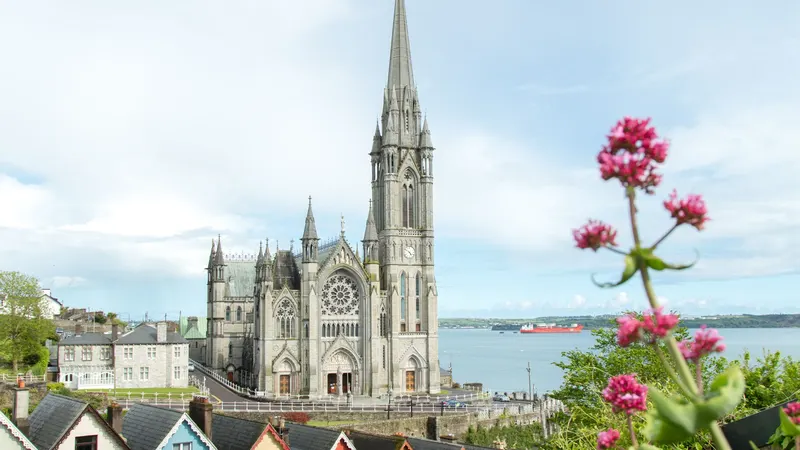
 CobhThe cathedral stands above a terrace of coloured houses, and the harbour below it was the last Irish port the Titanic called at.
Guide
Ireland by train and bus: the country without a car
You can see a great deal of Ireland without a car, as long as you plan around the shape of the network: trains run out from Dublin like spokes, coaches join the spokes, and the last few kilometres to a cliff or a castle are a local bus, a bike or a walk. Here is how it is laid out and the day trips that work, from Cobh by train to the Cliffs of Moher by bus.
How the network is shaped
Every main line in the Republic starts in Dublin. From Heuston the lines run to Cork (with Mallow for Killarney and Tralee), Limerick, Galway, Westport and Ballina, and Waterford; from Connolly they run to Belfast, Sligo, Rosslare and the DART along the bay. In the west a line runs from Limerick through Ennis and Athenry to Galway, but nothing follows the coast, so Galway to Killarney is a long day of changes by train, or a coach.
Bus Éireann and the private coach lines fill in the rest, and in the country the Local Link buses go where nothing else does. In the North, Translink runs both the trains and the buses, with the lines running out of Belfast, and the Enterprise train joins Dublin and Belfast in about two hours. One Leap Card works on the buses, trams and trains around Dublin and on the city buses in Cork, Galway, Limerick and Waterford.
From Dublin
The DART is the easiest day out in the country: north to the Howth cliff walk and south to Bray Head, both from the station door. A regular bus from the city runs to Glendalough and back in a day. Trains reach Kilkenny Castle in under two hours, and the Rock of Cashel is on the Dublin to Cork coach, which stops in Cashel.
For the Boyne Valley, the train to Drogheda and a local bus brings you to the visitor centre for Newgrange; the Hill of Tara and Trim Castle are buses from the city. Carlingford is a train to Dundalk and a bus.
From Cork, Killarney and Limerick
Cork has a suburban line of its own: Cobh and Fota Wildlife Park are on the same line, half an hour out, and Kinsale and Blarney Castle are city buses. Spike Island is the Cobh train and a boat.
Killarney is the easiest town in the southwest to arrive in by train and need nothing else: Killarney National Park, Muckross House, Ross Castle and Torc Waterfall are a walk, a bike or a jaunting car from the station, and buses run on to Dingle by way of Tralee. From Limerick, Bunratty Castle and Folk Park is on the airport bus and Adare on the Kerry one.
From Galway, Westport and Sligo
Galway's coach station is the start of the two best car-free days in the west: the bus along the coast to Doolin and the Cliffs of Moher, and the bus through Connemara to Kylemore Abbey and Connemara National Park. The ferries to Inis Mór and Inis Oírr leave from Rossaveal, with a connecting coach from the city.
Westport is the end of the line and the start of the Great Western Greenway, which you can ride to Achill Island on a hired bike; Croagh Patrick is a bus to Murrisk. From Sligo station, Benbulben and the Yeats country are a short bus or taxi, and Carrowmore Megalithic Cemetery is about five kilometres out, a long walk or a short taxi.
From Belfast and Derry
The Causeway coast is better without a car than with one in summer: a train to Coleraine and the Causeway Rambler bus along the coast link the Giant's Causeway, Carrick-a-Rede Rope Bridge and Dunluce Castle, and the train on to Derry runs along the sea for much of the way, with the Derry City Walls across the river from the station. Within Belfast, Titanic Belfast and the Ulster Museum are a walk or a short bus ride from the centre, and the Mourne Mountains are a bus to Newcastle.
From Derry the bus into Donegal reaches Glenveagh National Park and Castle by way of Letterkenny in a long day, and that is about as far as public transport goes into the north-west; Sliabh Liag (Slieve League) and Malin Head are a taxi or a tour from the nearest town.
What does not work without a car
The Ring of Kerry beyond Killarney, the Beara peninsula, west Donegal, the Burren's back roads and most of the islands' far ends. For these, a day tour from the nearest city is the honest answer, and the tour companies in Dublin, Cork, Galway, Killarney and Belfast run one to every big-name sight within reach.
Timetables thin out on Sundays and after dark everywhere, and a rural bus may run twice a day. Check the time of the last one back before you get off the first one. We print no timetables here because they change; the operators' own apps are the source.
Questions people ask
Can you travel around Ireland without a car?
Yes, if you base yourself in the cities and the railway towns and take the trains, coaches and day tours out from them. The coast between the railheads is where you will miss a car; the cities, the midlands and the North are easy.
Is the train or the bus better in Ireland?
The train between the cities, the bus everywhere else. Trains are faster and more comfortable on the Dublin spokes and between Limerick and Galway; coaches are the way along the coast and into the far west.
Which Irish sights can you reach by train?
Cobh, Kilkenny Castle, Killarney National Park, Bray Head, the Howth cliff walk, the Derry City Walls and Westport for the Great Western Greenway all sit within a walk of a station.
The places in this guide
42 places, each with a page of its own.
CobhThe cathedral stands above a terrace of coloured houses, and the harbour below it was the last Irish port the Titanic called at.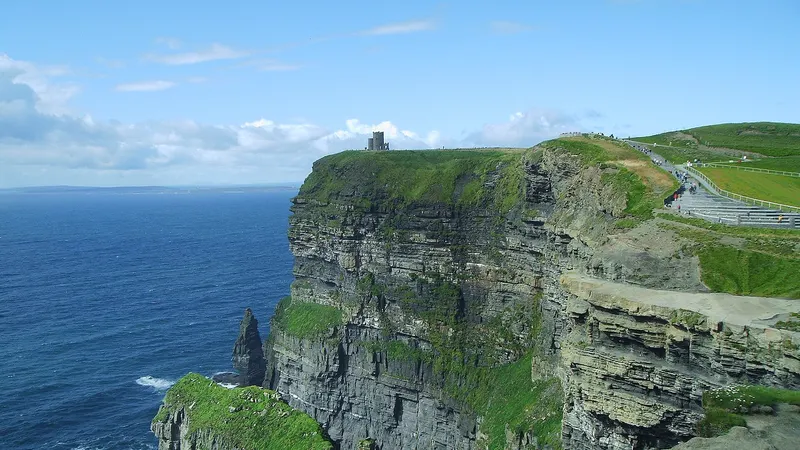 Cliffs of MoherSea cliffs run about 14km down the west Clare coast, and the visitor centre is dug into the hillside above Liscannor.
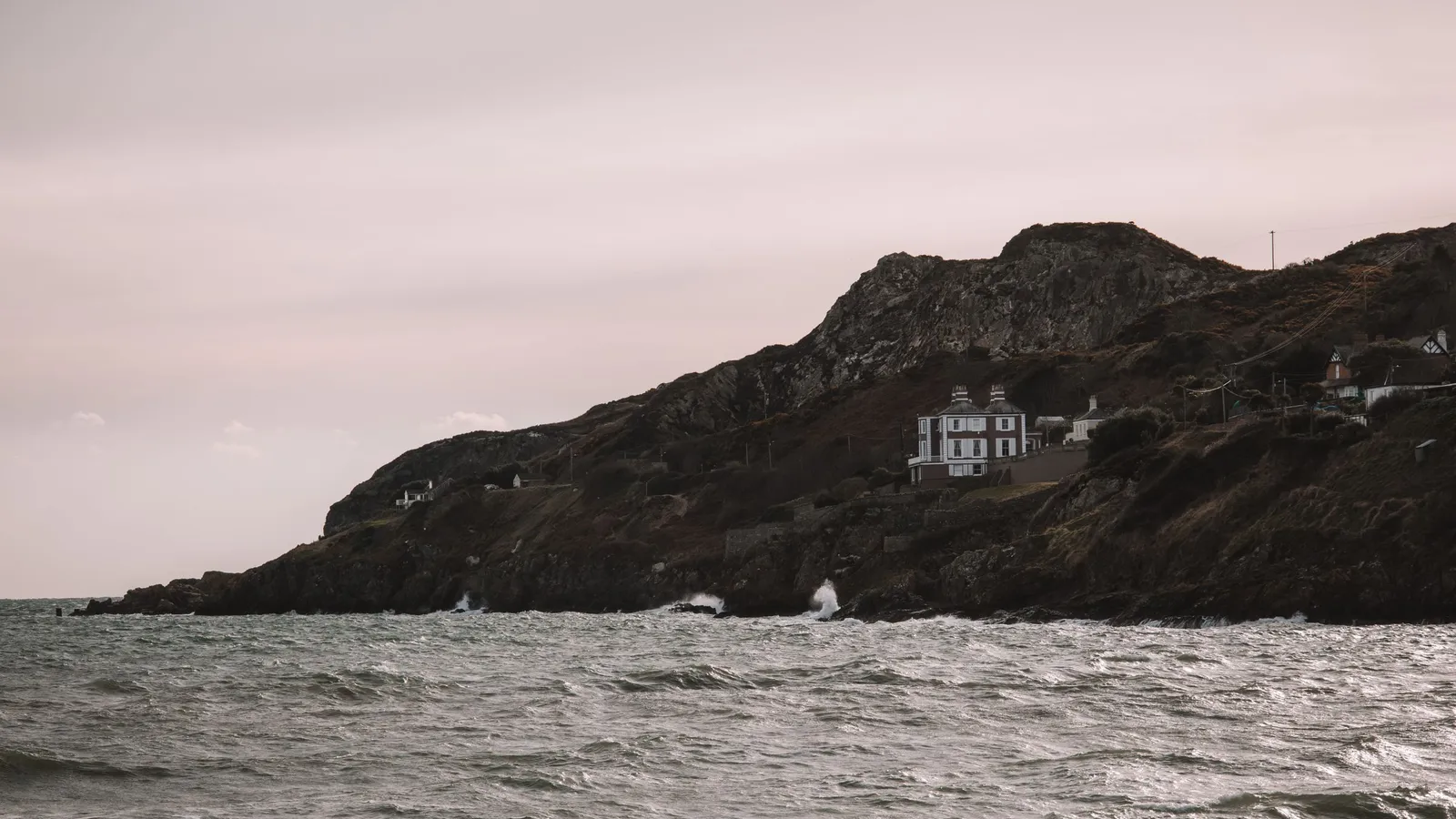
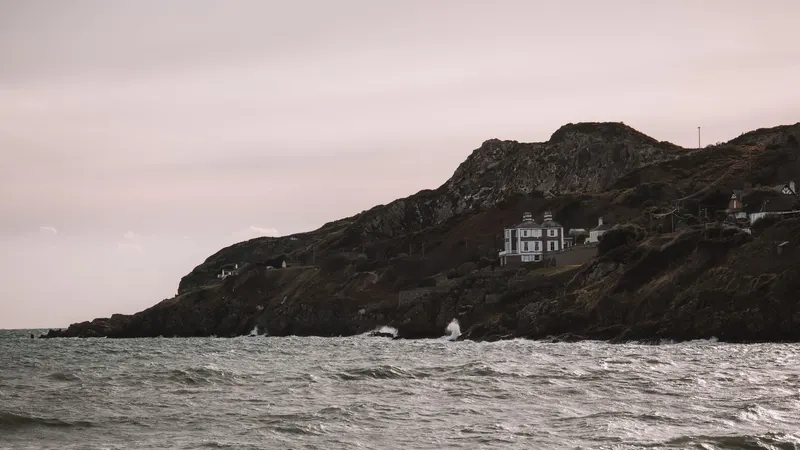 The Howth cliff walkThe loop goes around the head from the village, cliffs on one side and Ireland's Eye offshore.
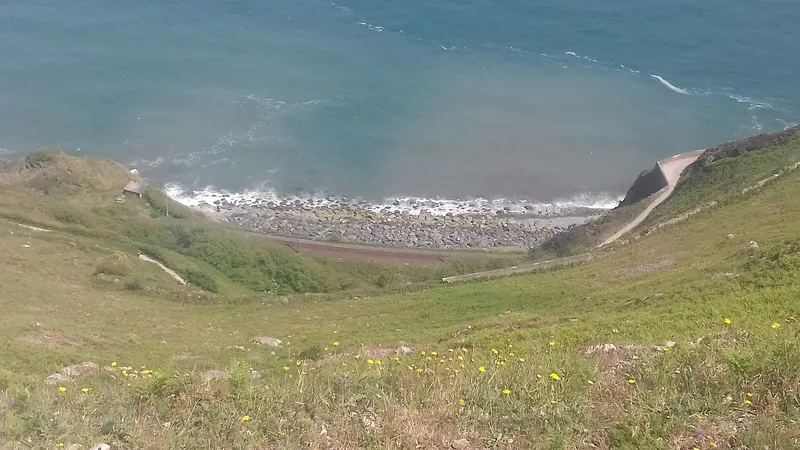 Bray HeadThe hill at the south end of the promenade, with a cross on top and a path up from the town. The cliff walk round to Greystones has been closed since 2021 after landslides and stays closed for years yet.
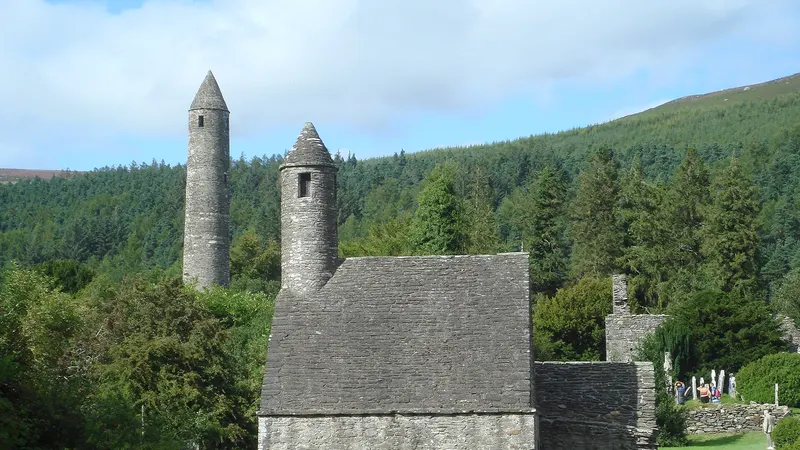 GlendaloughGlendalough fills a glacial valley, with a round tower, a gateway and two lakes above it.
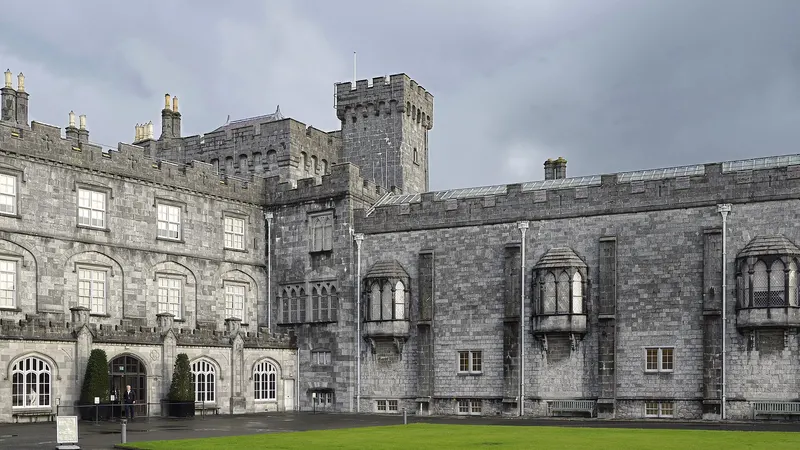 Kilkenny CastleThe Norman castle stands over the Nore in the middle of the city, with the long gallery inside it and fifty acres of parkland behind.
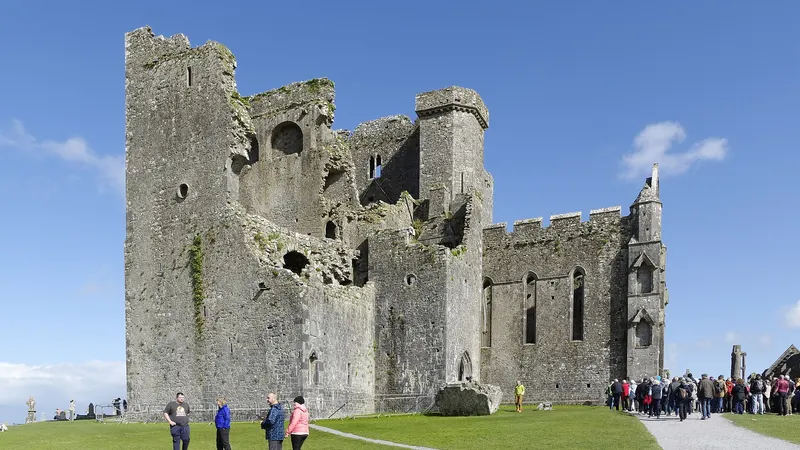 Rock of CashelA limestone outcrop above the town carries a round tower, a Romanesque chapel and a roofless Gothic cathedral.
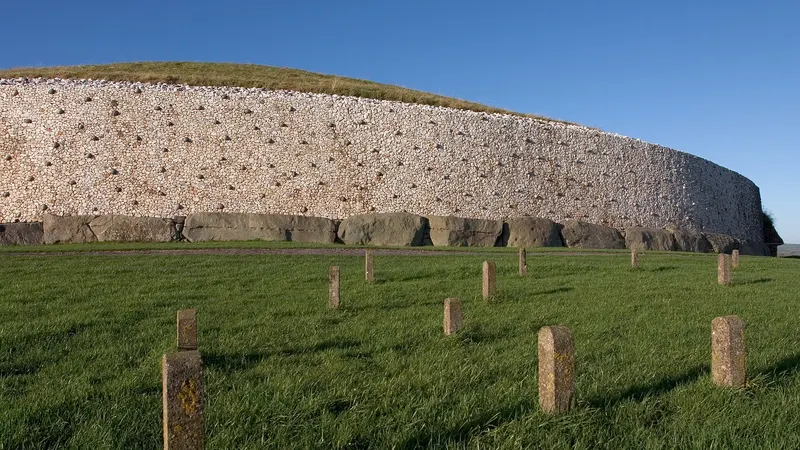 NewgrangeThe passage tomb went up around 3200 BC under a mound above the Boyne. You go in on a guided tour that leaves from the visitor centre.
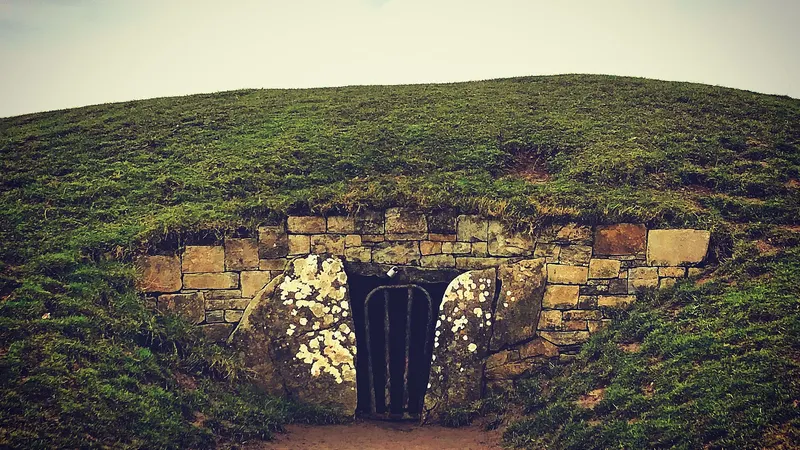 Hill of TaraGrassed earthworks on a low ridge south of Navan, where the high kings were made. It is open ground and free to walk.
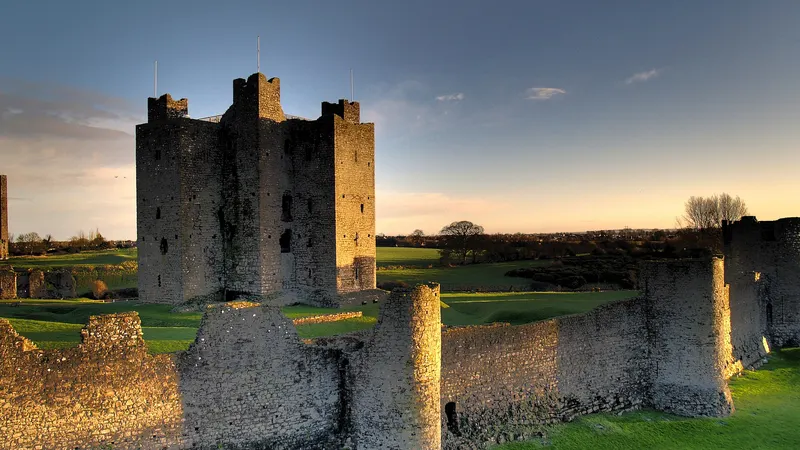 Trim CastleIreland's largest Norman castle: a great cruciform keep inside a curtain wall on the bank of the Boyne. It closes for works from 1st November 2026 to 1st April 2027.
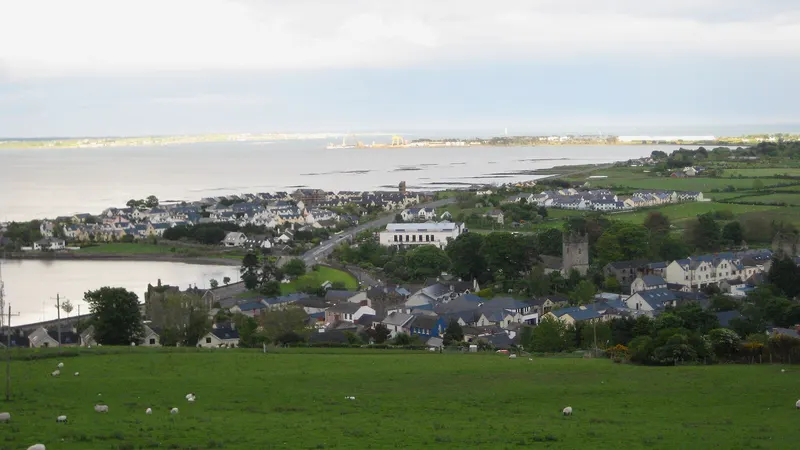 CarlingfordNarrow medieval lanes on the shore of Carlingford Lough, with the Cooley mountains going up straight behind them.
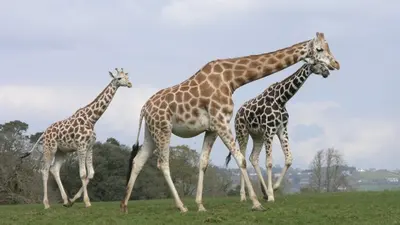 Fota Wildlife ParkThe cheetahs, giraffes and monkeys on Fota Island are kept in open paddocks rather than cages.
More guides
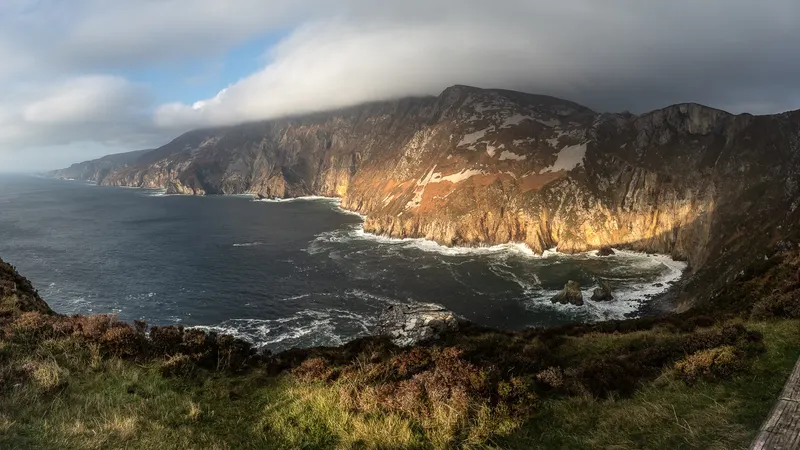 5 min readThe Wild Atlantic Way from Clare to DonegalThe northern half of the coast road, county by county, with the stops we would make and the ones we would drive past.
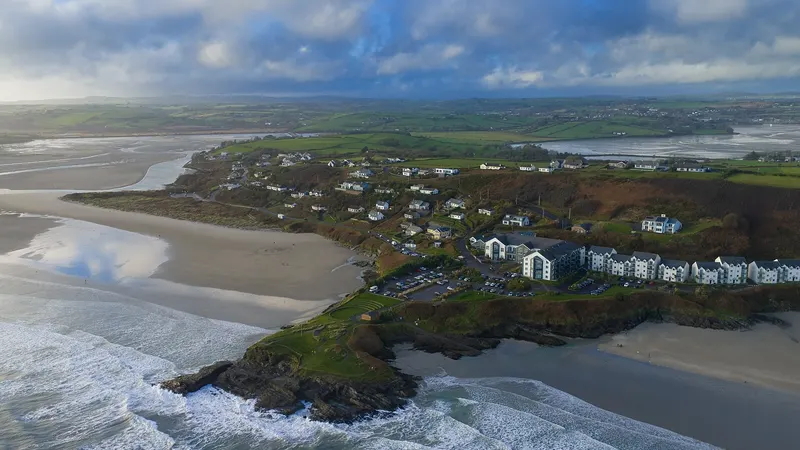 5 min readIreland's best beaches, province by provinceTwenty beaches worth the drive, sorted by province, with what each one is like when you get there.
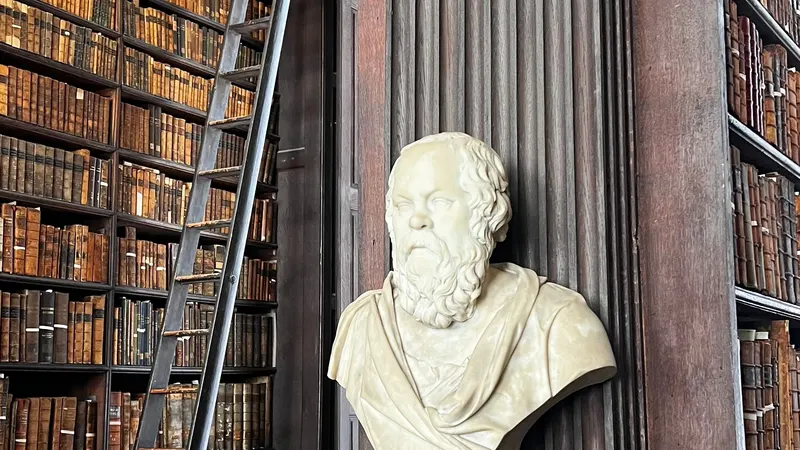 5 min readA first-timer's week in IrelandSeven days that take in Dublin, the Boyne valley, the southwest and the Burren without spending the whole week in the car.