
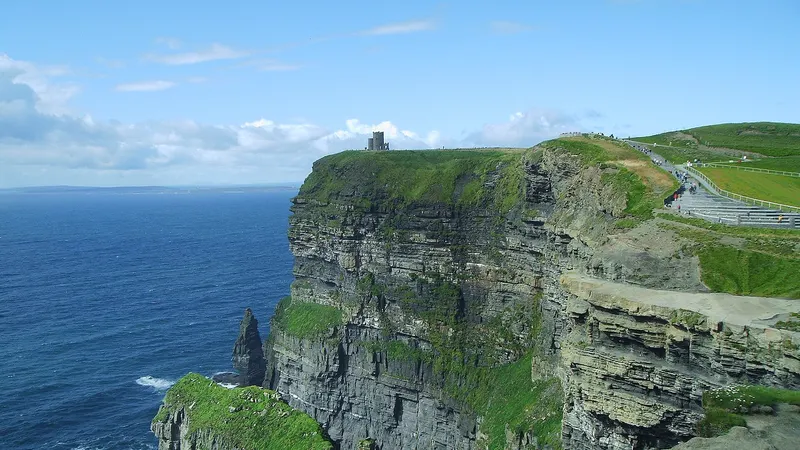
 Cliffs of MoherSea cliffs run about 14km down the west Clare coast, and the visitor centre is dug into the hillside above Liscannor.
Guide
The best time to visit Ireland, month by month
The honest answer is May, June or September: long days, lighter rain, the roads and the Cliffs of Moher not yet full or already emptying, and the gardens and the sea at their best. But every month has a case, and the one that suits you depends on what you are coming for: the light, the music, the quiet or the Christmas markets. Here is each month as it is, with the dates that do not move.
The short version
Longest days: late June, when Dublin has about seventeen hours between sunrise and sunset. Shortest: late December, with about seven and a half. Driest months in most years: April to June. Wettest: October to January, and the west coast gets roughly twice the rain of the east in any month.
Busiest: July and August, when the schools are off and the coast roads, the ferries and the Kerry towns fill. Quietest: November to February, outside Christmas week and the New Year. Prices for beds follow the crowds, so the shoulder months buy you both.
January to March
January is the quiet month: short days, the hills often white on top, and the towns to yourself. February brings St Brigid's Day on the 1st, with a bank holiday in the Republic on the first Monday of the month, or on the 1st itself when that is a Friday, and the first stretch in the evenings. The sea is at its coldest from February into March.
March is St Patrick's Day on the 17th, with parades in every town and the biggest in Dublin; book a bed early for that weekend anywhere. The month is changeable, bright one hour and hail the next, and the daffodils are out at Powerscourt House and Gardens and every big garden in the country.
April to June
April and May are the months the locals would pick. The light is long, the rain is at its lightest, the gorse is yellow on every hill, and the first-flush gardens, Mount Stewart, Altamont Gardens, Kylemore Abbey, are at their best. The May bank holiday, on the first Monday, is when the season gets going after Easter.
June is the longest light of the year and the best month for the west coast and the islands: Skellig Michael boats run from mid-May into September, weather allowing, and the Great Western Greenway and the coast walks are at their driest. Bloomsday is the 16th in Dublin. The June bank holiday in the Republic is the first Monday.
July and August
High summer, the warmest sea and the fullest roads. The Galway Races, the Galway International Arts Festival, Puck Fair in Killorglin, the Rose of Tralee, the Fleadh Cheoil and the All-Ireland finals all fall in these two months, so there is always something on, and the beds go early. Reek Sunday, the pilgrimage up Croagh Patrick, is the last Sunday of July.
If you are coming in these months, go where the crowds are not: the north and the midlands. Sliabh Liag (Slieve League), the Mourne Mountains and Lough Key Forest and Activity Park are as good in August as Kerry and a great deal emptier. The August bank holiday is the first Monday in the Republic and the last Monday in the North.
September and October
September is the best-kept month: the schools back, the sea still warm from the summer, the light still long enough, and the matchmaking festival in Lisdoonvarna for anyone who wants a dance. The surf gets up on the west coast and the heather is out on the hills.
October is Halloween's home ground: the Púca Festival's Samhain fire in Athboy in Meath, close to the Hill of Ward, Derry's festival inside the Derry City Walls, and the Republic's October bank holiday on the last Monday to close it. The trees turn in the demesnes, Birr Castle Demesne and Killarney National Park above all, and the rain starts in earnest in the west.
November and December
November is when the evenings close in and the Christmas markets open, Galway's first and Belfast's in mid-November, most of them running to the last weekend before Christmas; the Christmas markets page has every date. The light trails at the big houses switch on in the same fortnight.
December is the winter solstice at Newgrange on the 21st, when the sun enters the chamber at dawn for anyone with a lottery place and lights the entrance stone for everyone else. Christmas week is busy and St Stephen's Day on the 26th brings the Wren Boys out in Dingle and the racing to Leopardstown, Limerick and Down Royal. The days are short, the pubs are full, and the sea swims on Christmas morning are a national habit.
Questions people ask
What is the rainiest month in Ireland?
By most years' figures December or January, with October close behind, and the west wetter than the east all year. April to June are the driest. No month is dry, so a waterproof is packing, not pessimism.
What is the cheapest time to visit Ireland?
November to February outside the Christmas and New Year weeks, when beds are at their lowest and the attractions are quietest. The trade is the short days: plan for a late start and an early dinner.
Is it worth visiting Ireland in winter?
Yes, for the towns, the pubs, the music and the empty roads, and for Christmas in the cities. Not for the coast walks, which are at the mercy of the weather, or for Skellig Michael, whose boats stop for the winter; the other island boats sail when the sea allows. Newgrange at the solstice is the one winter sight worth planning a trip around.
The places in this guide
15 places, each with a page of its own.
Cliffs of MoherSea cliffs run about 14km down the west Clare coast, and the visitor centre is dug into the hillside above Liscannor.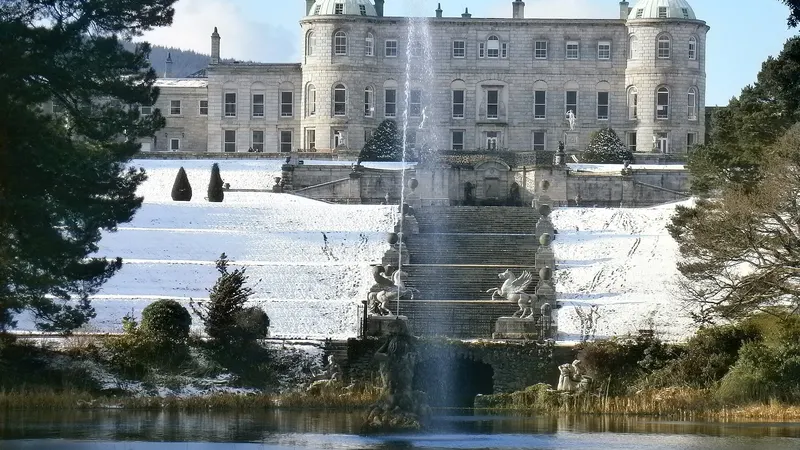 Powerscourt House and GardensTerraced gardens stepping down from a Palladian house towards the Sugar Loaf, with a walled garden and a pet cemetery.
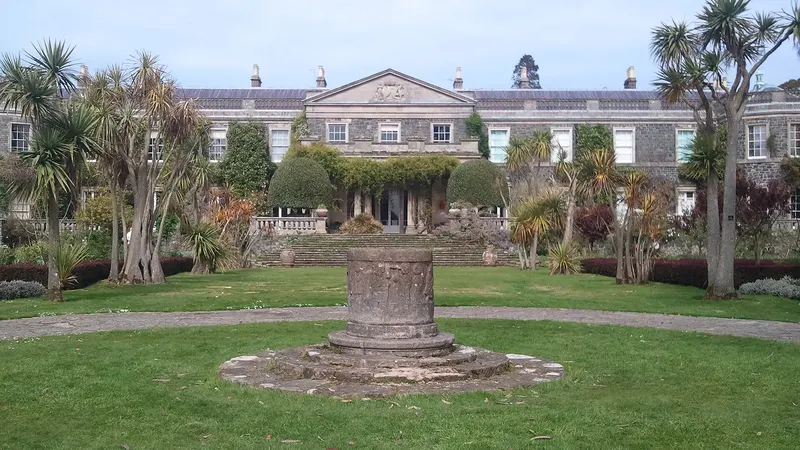 Mount StewartThe Stewart family's neoclassical house on the Ards Peninsula looks over Strangford Lough, and Edith, Lady Londonderry designed the gardens around it from the 1920s.
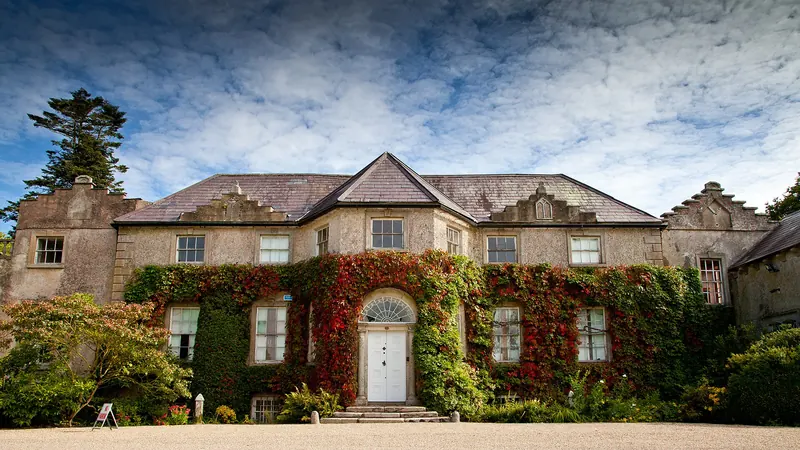 Altamont GardensForty acres of garden and a lake south of Tullow, run by the OPW, with a walk through the Ice Age Glen that takes you down to the Slaney.
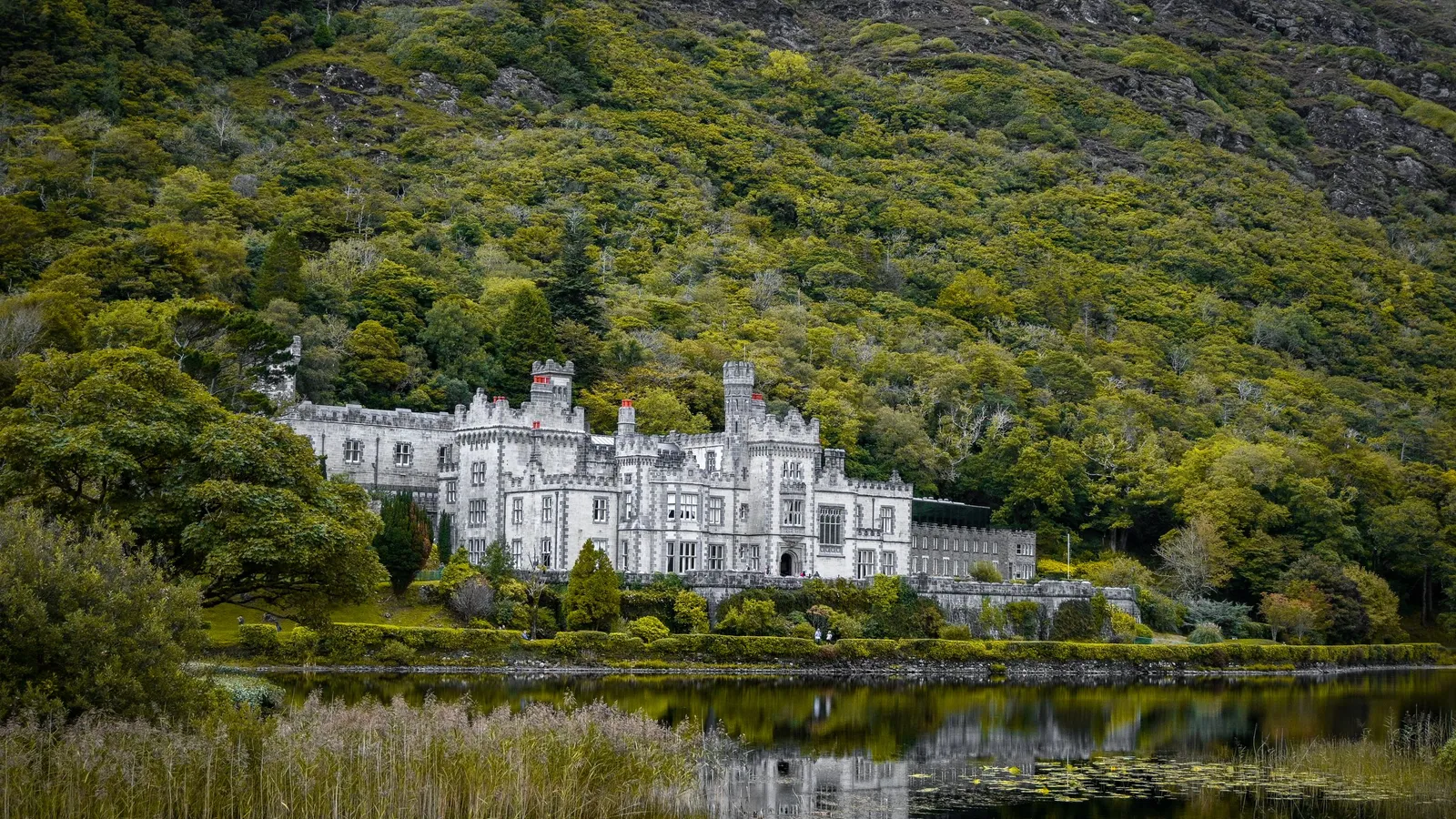
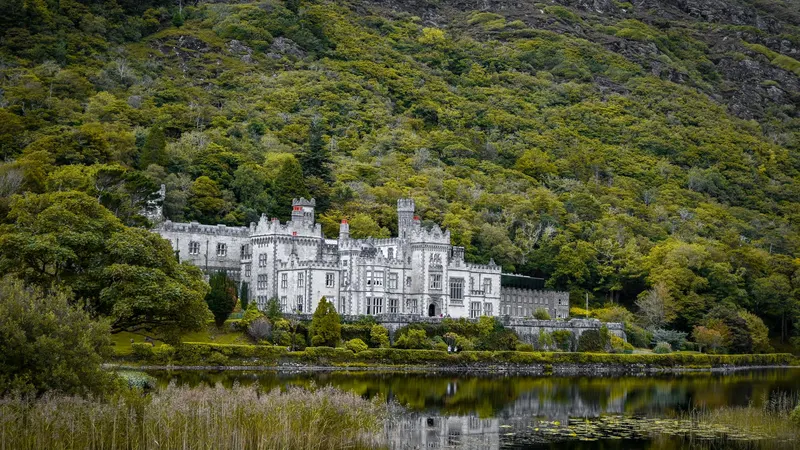 Kylemore AbbeyKylemore sits on a lake below the mountains, with a walled garden and a church in the grounds.
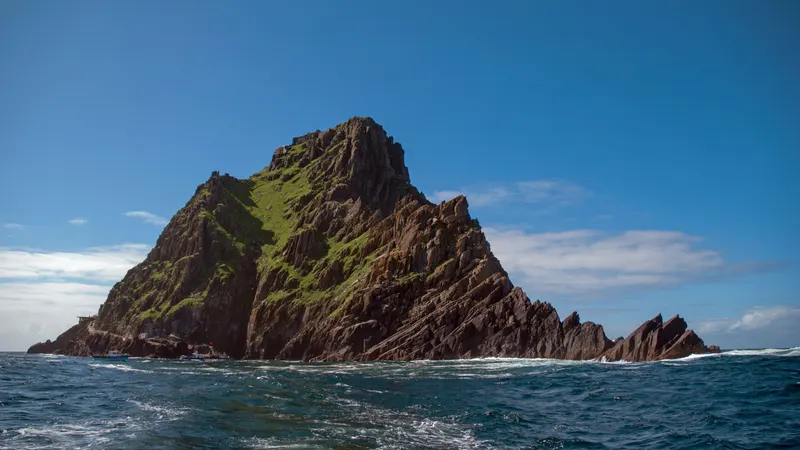 Skellig MichaelThe monastery was built on a rock out in the Atlantic. Landing boats go out from Portmagee between mid-May and the end of September, when the sea allows it.
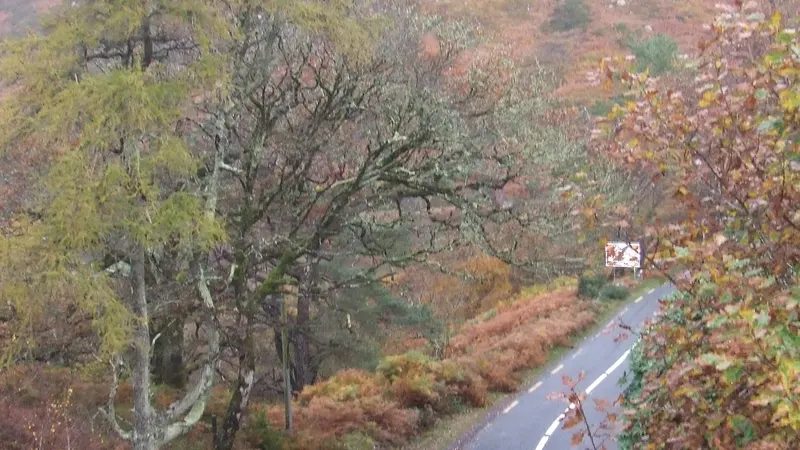 Great Western GreenwayAbout 42km of traffic-free cycling and walking on the old Westport to Achill railway line.
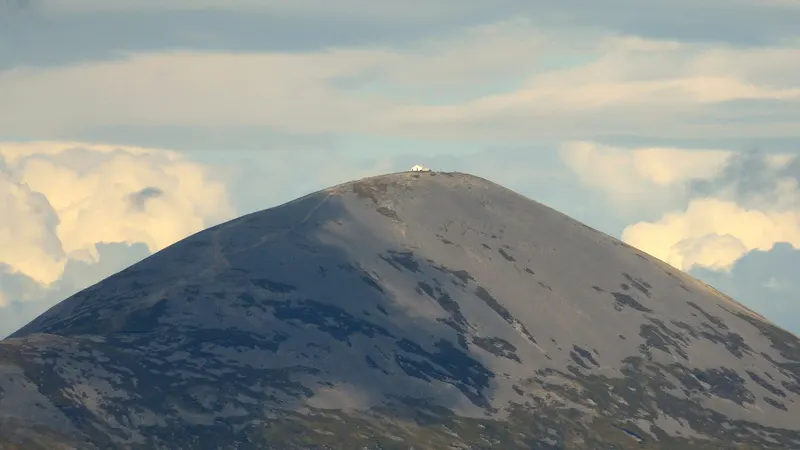 Croagh PatrickCroagh Patrick stands over Clew Bay, and the climb from Murrisk goes up to a chapel on the 764 metre summit.
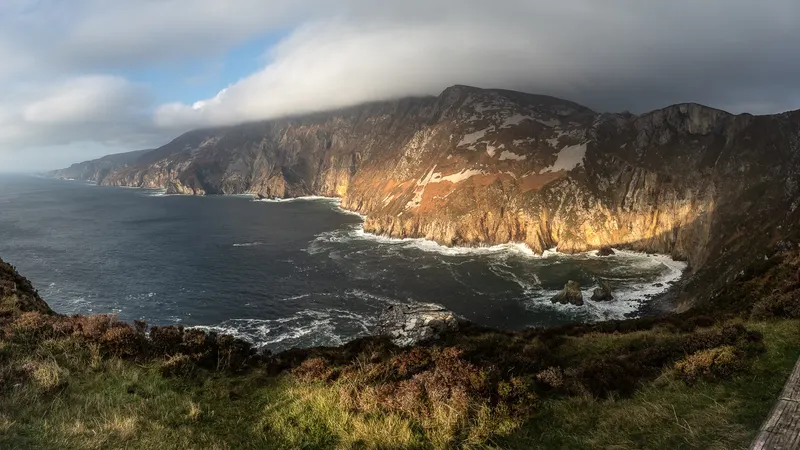 Sliabh Liag (Slieve League)Sea cliffs on the southwest coast that rise to about 600 metres. Park at the visitor centre or the ranger station and walk or take the shuttle bus up to the viewing point; the path runs on along the ridge.
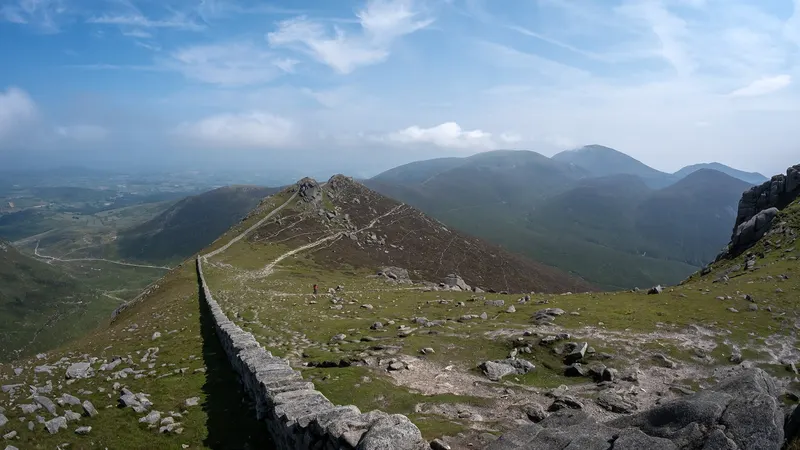 Mourne MountainsA granite range in the south of the county. The dry stone Mourne Wall, built between 1904 and 1922 to mark off the water catchment, runs over its summits.
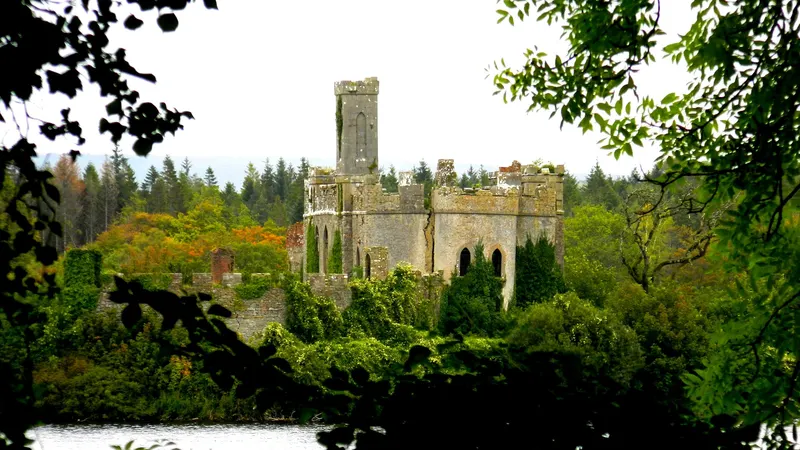 Lough Key Forest and Activity ParkLough Key's forest park runs along the shore near Boyle, with a canopy walk up in the trees and wooded islands out on the water.
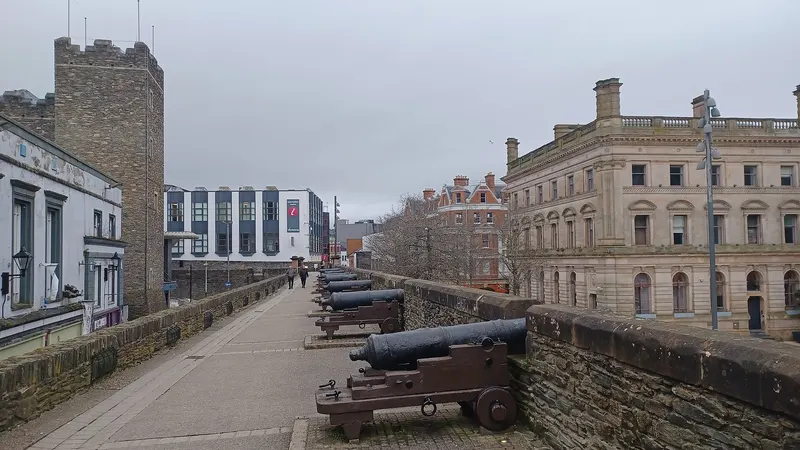 Derry City WallsThe Honourable The Irish Society built the walls between 1613 and 1618 and they are still complete. You can walk the whole circuit on top, past seven gates and 24 restored cannon.
More guides
5 min readThe Wild Atlantic Way from Clare to DonegalThe northern half of the coast road, county by county, with the stops we would make and the ones we would drive past.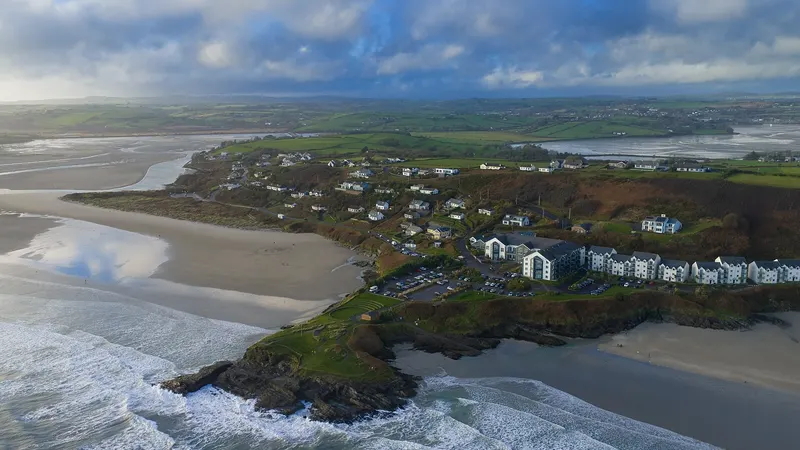 5 min readIreland's best beaches, province by provinceTwenty beaches worth the drive, sorted by province, with what each one is like when you get there.
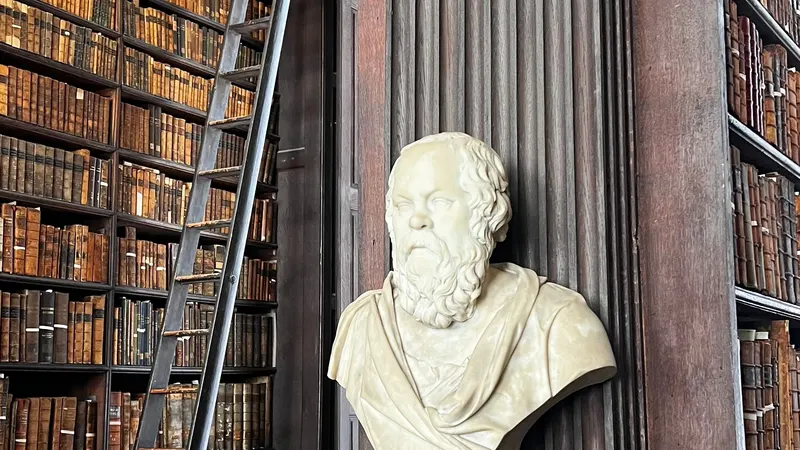 5 min readA first-timer's week in IrelandSeven days that take in Dublin, the Boyne valley, the southwest and the Burren without spending the whole week in the car.